


Synthetic Turf Installation: Installing Artificial Grass - A Step-by-Step Guide

Artificial grass has become a popular choice for many properties due to its low maintenance, durability, and year-round green appearance. Whether for residential yards, commercial spaces, or strata properties, synthetic turf installation offers a practical solution that enhances outdoor aesthetics while reducing water usage and upkeep. In this guide, I will walk you through the essential steps involved in installing artificial grass, ensuring a professional and lasting finish.
Preparing the Site for Synthetic Turf Installation
Proper preparation of the installation area is crucial for the success of synthetic turf installation. The process begins with clearing the site of any existing grass, plants, rocks, or debris. This can be done using a sod cutter or by manually removing the topsoil layer. The goal is to create a clean, level surface that will support the artificial grass.
Once cleared, the ground should be excavated to a depth of approximately 3 to 4 inches. This space will accommodate the base materials that provide drainage and stability. After excavation, the soil must be compacted using a plate compactor or hand tamper to prevent future settling.
Next, a layer of crushed stone or gravel is spread evenly across the area. This base layer, typically 2 to 3 inches thick, facilitates drainage and helps maintain the turf’s shape. It should be leveled and compacted thoroughly to create a firm foundation.
Finally, a weed barrier fabric is laid over the compacted base. This prevents weed growth through the artificial grass, reducing maintenance needs. The fabric should be cut to fit the area precisely and secured with landscape staples.

Laying and Securing the Artificial Grass
With the base prepared, the next step involves laying out the artificial grass rolls. It is important to unroll the turf and allow it to acclimate for a few hours. This helps reduce wrinkles and makes the material easier to work with.
When positioning the turf, ensure the grass fibers all face the same direction for a natural look. If multiple rolls are required, align the edges carefully to minimize visible seams. Seams should be joined using specialized seam tape and adhesive designed for synthetic turf.
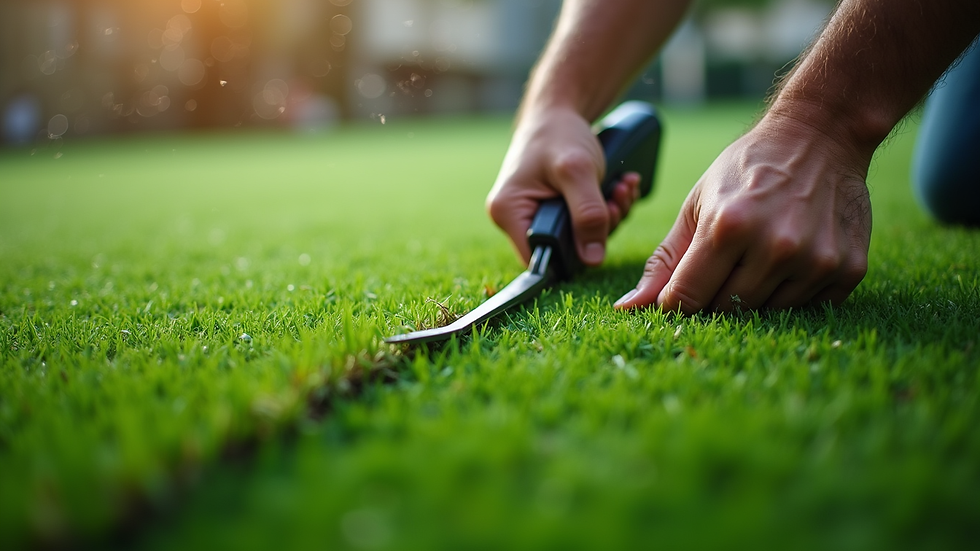
Cutting the turf to fit the area is done with a utility knife. Take precise measurements and trim excess material to fit around curves, edges, or obstacles such as trees and pathways.
Once the turf is positioned correctly, it should be secured to the ground using landscape staples or nails. These fasteners are placed around the perimeter and along seams at intervals of approximately 6 to 8 inches. This prevents shifting and ensures the turf remains taut.
Infill Application and Final Touches
After securing the turf, the next phase involves applying infill material. Infill serves several purposes: it helps the grass blades stand upright, adds weight to keep the turf in place, and provides cushioning underfoot.
Common infill materials include silica sand, crumb rubber, or a combination of both. The choice depends on the intended use of the area and local regulations. For example, commercial spaces may require specific infill types to meet safety standards.
The infill is spread evenly across the turf using a drop spreader or by hand. It is then brushed into the grass fibers with a stiff broom or power brush. This process lifts the blades and distributes the infill uniformly.
Once the infill is applied, the turf should be watered lightly to help settle the material. A final inspection ensures that all edges are secure, seams are tight, and the surface is smooth.
Maintenance Tips for Longevity and Appearance
Proper maintenance extends the life and appearance of synthetic turf. Although artificial grass requires less upkeep than natural lawns, some care is necessary.
Regularly remove debris such as leaves, twigs, and dirt using a leaf blower or broom. This prevents buildup that can affect drainage and appearance.
Occasionally rinse the turf with water to remove dust and pollen. For areas with pets, cleaning with a mild detergent or turf deodorizer helps control odors.
Inspect the turf periodically for any loose edges or seams. Prompt repairs prevent further damage and maintain safety.
Avoid placing heavy objects or sharp tools directly on the turf to prevent crushing or tearing the fibers.
Benefits of Professional Synthetic Turf Installation
Choosing professional synthetic turf installation ensures the job is done correctly and efficiently. Experienced installers understand the importance of site preparation, proper materials, and precise techniques.
Professional installation reduces the risk of common issues such as poor drainage, uneven surfaces, and visible seams. It also provides access to warranties and support.
For those considering installing artificial grass, working with a reputable company guarantees quality workmanship and a finished product that meets expectations.
Synthetic turf is a valuable investment that enhances property value and usability. With the right installation and care, it provides a durable, attractive surface for years to come.


Comments